Healing On God’s Terms
Imagine going to a doctor with a serious illness. You’re desperate for help. The doctor listens carefully, and tells you exactly what to do. But you say, “Actually, I was thinking you should treat it this way.” That would sound ridiculous. None of us would go to a doctor asking for healing and then insist on prescribing the treatment ourselves.
But spiritually, we do this all the time.
We want God to heal something in us—our hearts, our pride, our struggles—but we still want the healing to happen on our terms. That’s exactly what we see in 2 Kings 5:1-15 with Naaman. He is introduced as a great man; he’s the commander of the Syrian army, highly respected, successful, powerful. But verse one tells us he had leprosy. He had status, influence, and power—but he still had a problem he could not fix.
A servant girl tells his wife about a prophet in Israel who could heal him. So Naaman travels to Israel with wealth, gifts, and an expectation that something dramatic will happen.
But when he arrives, something surprising happens. The prophet Elisha doesn’t even come out to meet him. Instead, he sends a messenger with simple instructions: “Go wash in the Jordan seven times.” Naaman is furious. He says, “I thought he would surely come out to me and stand and call upon the name of the Lord his God, and wave his hand over the place and cure the leper.” In other words, Naaman had already decided how God should heal him.
He expected recognition. He expected something dramatic. He expected something impressive.
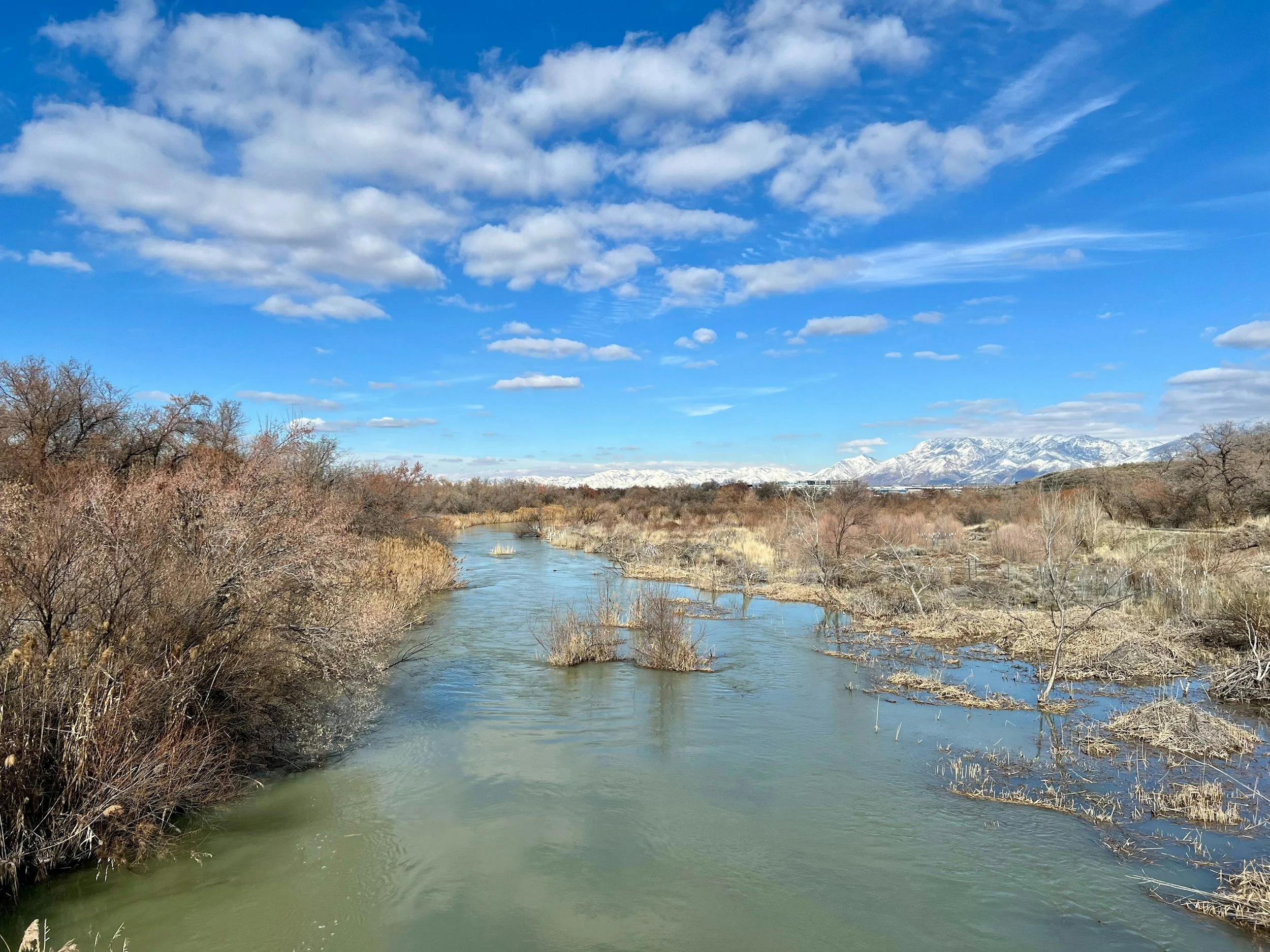
Instead, he was told to go wash in the Jordan River. And this made the instruction even more offensive. Naaman responds, “Are not Abana and Pharpar, the rivers of Damascus, better than all the waters of Israel?” Those were beautiful, clear mountain rivers in Syria. The Jordan, by contrast, was muddy and unimpressive. To Naaman, it felt ridiculous. But the issue wasn’t really the river.
The issue was humility. Naaman wasn’t angry because the command was difficult. He was angry because it was humbling. He would have climbed a mountain. He would have paid any price. He would have performed some heroic act. But God asked him to do something far more difficult for a proud man: walk down into a muddy river and obey.
One of the most fascinating parts of this story is who actually shows the most faith. It’s not the powerful people. It’s the servants. A servant girl is the one who first believes God can heal Naaman. A messenger delivers the prophet’s instructions. And when Naaman is ready to walk away in anger, his servants come to him and say, “My father, if the prophet had told you to do some great thing, would you not have done it? How much more should you do it when he tells you, Wash and be clean?” (HCSB). The people with the least status are the ones who recognize what God is doing.
Finally, Naaman listens. The turning point comes in a small phrase: “So he went down.” He went down to the Jordan Valley. He went down into the muddy water. He went down beneath the surface seven times.
Everything about Naaman’s life had been elevated—his position, his authority, his reputation. But the miracle happens when he is finally willing to go down. The text says that after the seventh dip, his flesh was restored like that of a little child.
But the greater miracle happens in the next verse. Naaman declares, “Behold, I know that there is no God in all the earth but in Israel.” He didn’t just receive healing. He experienced conversion. And the path to that transformation followed a pattern we see throughout Scripture:
Pride → Humility → Obedience → Transformation.
Even the washing itself points forward to the gospel. Naaman goes down into the water and comes up clean. Throughout Scripture, water becomes a symbol of cleansing and new life, something we later see expressed through baptism.
And there’s another remarkable detail: Naaman wasn’t even an Israelite. He was a Syrian commander, an outsider. Yet God heals him and brings him to faith.
In fact, Jesus later references this story in the Gospel of Luke (4:27), reminding people that while many in Israel had leprosy, only Naaman the Syrian was cleansed. The point is that God’s grace often reaches the humble outsider before the proud insider.
Sometimes the breakthrough we want—in our relationships, our church, or our own hearts—comes through humility, repentance, quiet obedience, or listening to voices we might overlook. Naaman thought the miracle would happen when the prophet came out and did something impressive. But the miracle actually happened when he was willing to walk down to the muddy river and obey.
Naaman almost walked away from the very place where God wanted to heal him—because it didn’t look the way he thought it should.
Sometimes the same is true for us. The question isn’t whether God is willing to work in our lives. The question is whether we’re willing to humble ourselves enough to do what He asks. The thing that changes everything may simply be the moment we finally say, “God, I’ll do it your way.”
To learn more about how God works in our lives, check out this podcast - “Does God Really Care About What Happens in My Life or in This World?”